By Skye Novis In-house Associate Nutritionist (ANutr) (BSc)
As the temperatures begin to drop, vitamin C is often one of the first nutrients that comes to mind. And while oranges might be the most familiar source, vitamin C is found naturally in so many everyday plant foods, from berries and peppers to broccoli and potatoes. It also plays an important role in our health all year round, with benefits that go far beyond supporting us through winter colds.
The good news is that getting enough does not need to be complicated. For most of us, regularly eating a colourful variety of fruit and vegetables can provide the vitamin C we need.¹
So, what does vitamin C actually do, do we need more of it in winter, and what are some simple ways to include more of it in the foods we already enjoy?
1. What does vitamin C actually do?
Vitamin C, also known as ascorbic acid, is an essential vitamin, which means our bodies cannot make it themselves and we need to get it through our diet.
One of its best known roles is supporting the normal function of the immune system, but it does much more than that. Vitamin C also helps protect our cells from oxidative damage and is needed to make collagen, a protein that helps support healthy skin, blood vessels, bones and cartilage.¹ ²
It also has a particularly useful role in a plant-focused diet: vitamin C helps our bodies absorb non-haem iron, the form of iron found in plant foods such as beans, lentils, chickpeas, nuts and seeds.³
Pairing these foods with a source of vitamin C can therefore help us get more from the iron on our plate. Think lentils with tomatoes and peppers, chickpeas with broccoli, or berries alongside an oat-based breakfast.
2. Why do we think about vitamin C more in winter?
Vitamin C gets a lot more attention during the colder months, but our requirement for it does not suddenly increase when winter arrives.
Adults aged 19–64 in the UK need around 40mg of vitamin C each day, and most people should be able to get enough through a varied, balanced diet.¹
Because our bodies do not store large amounts of vitamin C, it is worth including vitamin C-rich foods regularly, something that can be surprisingly easy when you are eating plenty of colourful plants.¹
Winter can simply be a useful reminder to think about variety. Adding berries to breakfast, peppers to a warming curry or broccoli to dinner can all contribute without needing to focus too heavily on one particular food.
It is also worth remembering that vitamin C and vitamin D are different. UK guidance specifically recommends considering a daily vitamin D supplement during autumn and winter because there is not enough sunlight for most people to make sufficient vitamin D through the skin. That recommendation does not apply in the same way to vitamin C.
3. Where can we get vitamin C?
Oranges might be the first food that comes to mind, but vitamin C is found in lots of different fruit and vegetables.
Good sources include:¹ ²
This means there are plenty of simple ways to include it across the day.
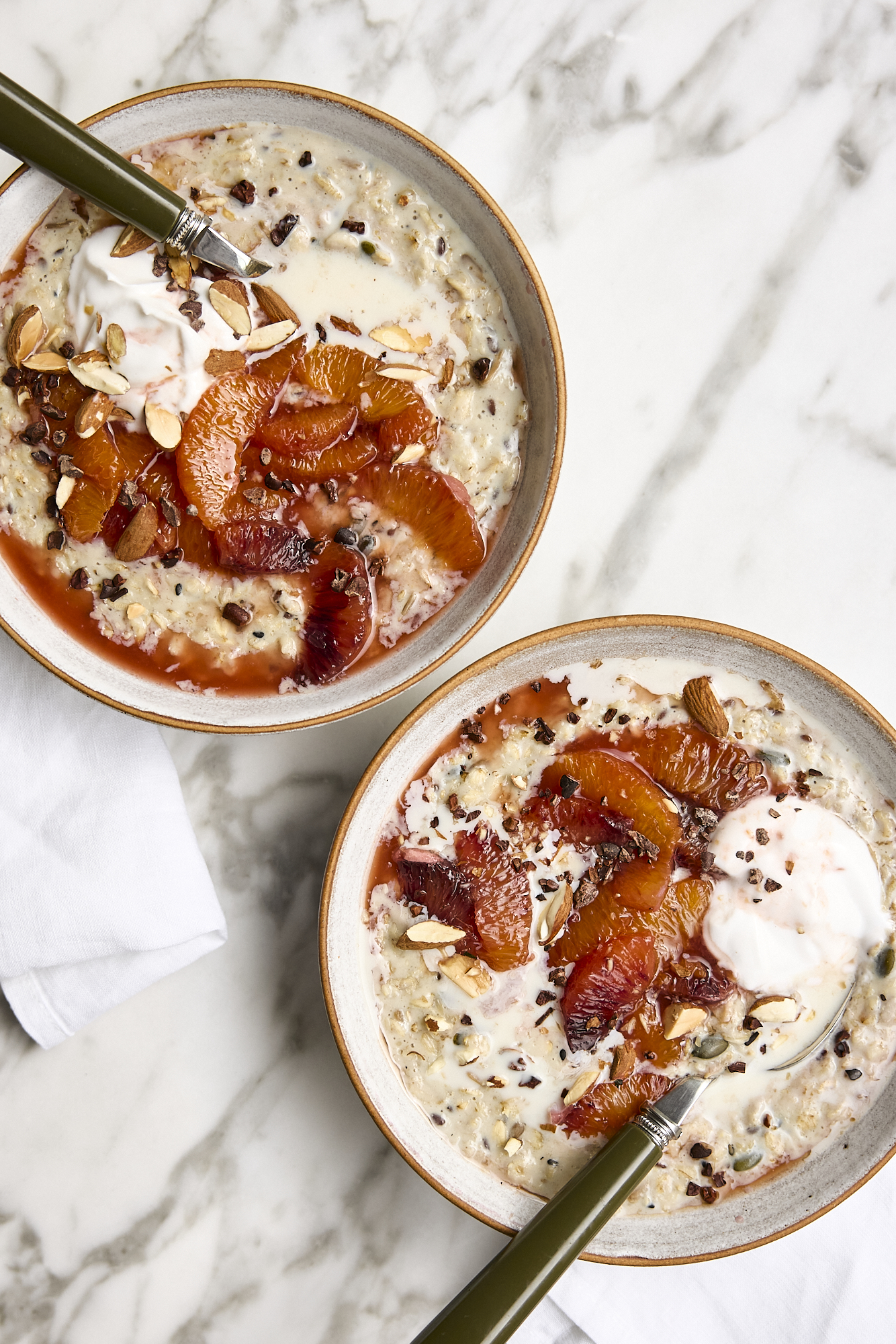
Breakfast could be porridge topped with berries or kiwi. Lunch might include roasted peppers, tomatoes or broccoli, while dinner could be a warming lentil dhal with greens or roasted Brussels sprouts alongside potatoes.
Potatoes are an especially useful reminder that sources of vitamin C do not have to be expensive, unusual or labelled as a “superfood”.
Vitamin C can be sensitive to heat and some can be lost into cooking water, so using a mixture of raw and cooked vegetables, and cooking methods such as steaming or microwaving, can help retain more of it.
5. Simple ways to get more vitamin C this winter
Getting more vitamin C does not need to mean changing everything you eat. Often, it is about small additions to meals you already enjoy.
Add some colour to breakfast
Top porridge or overnight oats with berries or kiwi.
Add another vegetable to lunch or dinner
Try peppers, broccoli, brussels sprouts, tomatoes or leafy greens.
Pair vitamin C with plant-based iron
Add peppers to lentils, tomatoes to beans or broccoli alongside chickpeas. Vitamin C can help increase the absorption of iron from these plant foods.³
Remember the everyday foods
It is not all about citrus fruit. Potatoes, tomatoes and broccoli can all contribute vitamin C too.¹
Think variety rather than one “superfood”
Different fruits and vegetables bring different vitamins, minerals, fibre and plant compounds, so variety is more useful than relying on one ingredient.
Think food first
For most people, eating a varied diet with plenty of fruit and vegetables can provide all the vitamin C they need.¹
A few simple winter ideas
The takeaway
Vitamin C is especially talked about during winter, but it is something our bodies need all year round. It supports normal immune function, helps protect our cells, is needed for collagen formation and can help us absorb iron from plant foods.¹ ² ³
Rather than focusing on one nutrient or reaching for supplements as soon as winter arrives, think about adding more colour and variety to the foods you already enjoy.
A handful of berries at breakfast, some broccoli or peppers with lunch, or potatoes and greens alongside dinner can all contribute small, simple additions that add up across the week.
References
NHS. Vitamins and minerals: Vitamin C [Internet]. London: NHS; [cited 2026 Nov 12]. Available from:
https://www.nhs.uk/conditions/vitamins-and-minerals/vitamin-c/
British Nutrition Foundation. Vitamins and minerals [Internet]. London: British Nutrition Foundation; [cited 2026 Nov 12]. Available from:
https://www.nutrition.org.uk/nutritional-information/vitamins-and-minerals/
British Dietetic Association. Nutritional considerations for dietitians [Internet]. Birmingham: British Dietetic Association; [cited 2026 Nov 12]. Available from:
https://www.bda.uk.com/news-campaigns/campaigns/sustainable-september/nutritional-considerations-for-dietitians.html
 Membership
 Our Story