 Membership
 Our Story





Breakfast
15 mins
Strawberry Overnight Oats
The perfect fuss-free breakfast. This takes less than 15 minutes to prep the night before, meaning you have the most delicious, nourishing breakfast ready to go as soon as you wake up.
View Recipe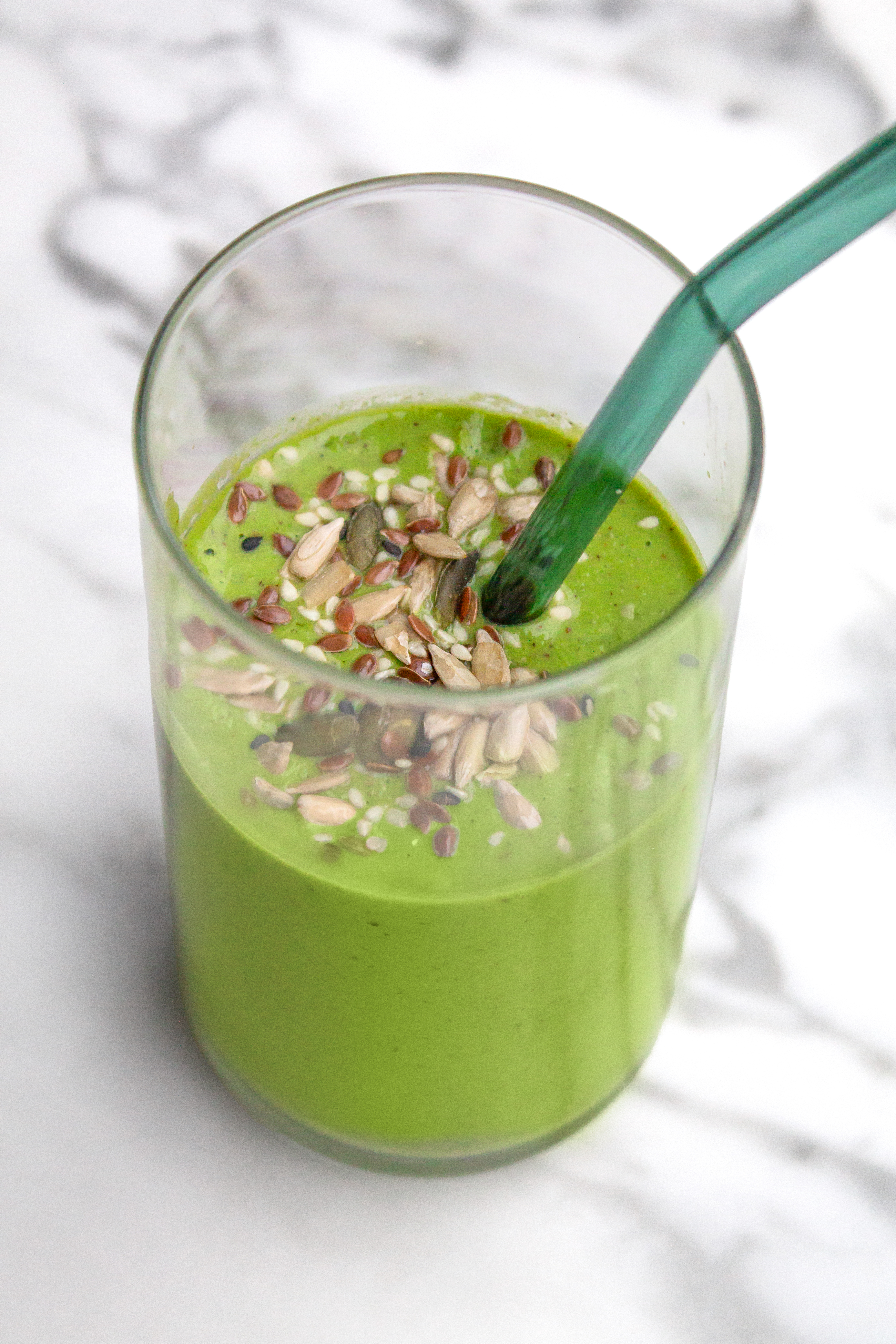
By Skye Novis In-house Associate Nutritionist (ANutr)(BSc)
Gut health has become one of the biggest topics in nutrition over the last few years. From fermented foods and probiotic supplements to fibre goals and microbiome testing, there is a lot of information out there and it can quickly start to feel overwhelming.
At its simplest, gut health is about how well your digestive system is working, and how supported your gut environment is day to day. It is not about one single food, supplement or trend. It is about the small, consistent habits that help your gut do its job well: digesting food, absorbing nutrients, supporting regular bowel movements and interacting with other systems in the body.
The good news is that supporting your gut health does not need to be complicated. For most people, the foundations are surprisingly simple: eating enough fibre, including a wide variety of plant foods, staying hydrated, moving regularly, managing stress where possible and getting enough sleep.
Gut health refers to the health and function of the digestive system, including the stomach, small intestine and large intestine. This system breaks down food, absorbs nutrients and helps remove waste from the body.
A key part of gut health is the gut microbiome: the community of trillions of microbes, including bacteria and other microorganisms, that live mostly in the large intestine. These microbes interact with the food we eat, especially fibre from plant foods, and produce compounds that can support the gut lining and wider health.¹ ²
Gut health is not just about bloating or how often we go to the toilet, although these can be useful signs to pay attention to. Everyone’s digestion is different, and occasional bloating can be normal, especially after larger meals or higher-fibre foods.
The gut’s main role is digestion, but it also supports wider health. A healthy digestive system helps us absorb nutrients, supports regular bowel movements and helps maintain the gut barrier which is the lining of the gut that acts as an important boundary between the digestive tract and the rest of the body.
The gut is also closely linked with the immune system, to which you may have heard of the gut-brain axis: the two-way communication between the gut and the brain. This may help explain why stress, nerves or excitement can affect digestion and give us the ‘butterflies’ feeling, and vice versa why digestive discomfort can affect how we feel.¹
However, the science around the microbiome is still developing, and many areas are complex. What we do know is that a varied, fibre-rich diet and supportive lifestyle habits can help support digestive health in a realistic, sustainable way.¹ ³
Gut health is influenced by diet, lifestyle, environment and individual factors. Food is a brilliant place to start, especially fibre. Fibre is found in plant foods and helps support bowel regularity, while also providing fuel for some beneficial gut bacteria.² ³
Low fibre intake, limited plant variety and a diet heavily based around highly processed foods may make it harder to support a diverse gut microbiome. Regularly including foods such as beans, lentils, chickpeas, oats, nuts, seeds, fruit, vegetables, herbs, spices and wholegrains can help add both fibre and variety.² ³
Hydration also matters. If we increase fibre without enough fluid, digestion can feel more uncomfortable. Fibre works best when there is enough fluid in the digestive system, helping stools pass more comfortably.³
Lifestyle plays a role too. Stress, poor sleep, low movement, alcohol intake and smoking can all influence digestive health.⁴ Antibiotics can also affect the gut microbiome, although they can be essential when prescribed. The key is not perfection, but building habits that support your digestive system most of the time.
Prebiotics, probiotics and fermented foods are often talked about together, but they are not the same thing.
Prebiotics are types of fibre that feed beneficial bacteria in the gut. They are naturally found in plant foods such as onions, garlic, leeks, asparagus, bananas, oats, beans, lentils and wholegrains.
Probiotics are live microorganisms that may provide a health benefit when consumed in adequate amounts. They are found in foods, such as yoghurts with live or active cultures. Probiotics may help restore the natural balance of bacteria in the gut when it has been disrupted, but the evidence behind broad probiotic health claims varies.⁵ ⁶
Fermented foods are made using microorganisms. Examples include kimchi, sauerkraut, miso, tempeh, kefir, kombucha and live yoghurt. They can be a delicious way to add flavour and variety, but they are not a shortcut to perfect gut health. Some contain live cultures, while others may not by the time we eat them.⁶
There are lots of small, everyday habits that can support gut health. If your diet is currently lower in fibre, build up gradually so your gut has time to adjust.
Eat more fibre
Fibre supports regular bowel movements and helps feed beneficial gut bacteria. Good sources include oats, beans, lentils, chickpeas, wholegrains, fruit, vegetables, nuts and seeds.¹ ²
Aim for plant variety
Different plant foods contain different fibres, polyphenols and nutrients. Try adding more variety across fruit, vegetables, beans, lentils, wholegrains, nuts, seeds, herbs and spices.
Add fermented foods gradually
Try a spoonful of kimchi or sauerkraut with lunch, miso in a dressing, tempeh in a stir-fry or live yoghurt with fruit and granola. Start small, especially if fermented foods are new to you.
Stay hydrated
Water is important for digestive health, particularly when eating more fibre. Herbal teas, soups, fruit and vegetables can all contribute to overall fluid intake too.³
Move your body
Regular movement can support gut motility, which is the movement of food and waste through the digestive tract. A walk, gentle yoga, cycling, swimming or simply moving throughout the day can all help.
Support stress and sleep
The gut and brain are closely connected, which is why digestion can feel different when we are stressed or rushed. Taking a few calm breaths before eating, stepping away from your desk for lunch, getting outside and building a calmer evening routine can all support better habits around digestion.
The perfect fuss-free breakfast. This takes less than 15 minutes to prep the night before, meaning you have the most delicious, nourishing breakfast ready to go as soon as you wake up.
View Recipe
This hearty aubergine stew is just the thing we turn to when the weather cools down. With silky roasted aubergine, fibre-rich beans and a garlicky tomato sauce, it’s simple, comforting, and even tastier the next day – perfect for batch cooking or freezing.
View Recipe
This is one of those salads that makes eating well feel easy – warm, colourful and full of flavour. With around 20g of plant protein per portion, this warm, colourful salad is perfect for keeping you nourished and energised. Tossed in a simple za’atar dressing, this is the kind of recipe we meal prep on a Monday night, ready to set us up for a busy week.
View Recipe
This dish has got everything going for it. Tangy, punchy flavours from the kimchi & tamari, plenty of crunchy veggies, plenty of protein to fill you up. As well as being a great source of protein, the silken tofu crumbles up to give you an egg-fried rice type texture.
View Recipe
Few things beat a refreshing smoothie for breakfast after an energetic workout, or busy mornings on the go. Loaded with nutrient-packed fruit and leafy vegetables, this smoothie combines fibre, protein and healthy fats to energise and help to keep you feeling fuller for longer.
View Recipe
This is our ultimate chilli – packed with smoky, spicy, warming flavours and full of fibre, thanks to all the different veggies. The key is giving each step enough time to cook so the flavours can really develop. It’s delicious with a crunchy cabbage slaw – we’ve included a recipe if you’d like to make it.
View Recipe
Adding quinoa to porridge makes it naturally higher in protein, while keeping the texture creamy and comforting. Sweet blueberry compote adds freshness, while flaxseeds provide fibre and omega 3. It’s a simple breakfast that’s both nourishing and satisfying.
View Recipe
With an impressive 14 plant points, this creamy butter bean curry is both nourishing, comforting, and made mostly from store-cupboard ingredients. If you haven’t tried Carlin peas, this is your sign! They’re nutty and earthy, somewhere between chickpeas and Puy lentils.
View Recipe
This colourful salad is full of summer’s star ingredients – fresh tomatoes, crisp cucumber and soft herbs, tossed with lemon, sumac and crispy chickpeas. It’s perfect as a side, snack or salad, and packed with nutrients like fibre, protein and antioxidants. We love this served with toasted pittas or flatbreads.
View Recipe
It’s safe to say that we’re slightly obsessed with this toastie in the DE office at the moment! We’ve revisited an old community favourite recipe, and it certainly stands the test of time. It’s the perfect speedy lunch, and we love it teamed up with a crunchy slaw, green salad or a mug of steaming soup.
View Recipe
This is the sort of dish we make when we really don’t feel like cooking but still want something warming and delicious. There’s barely any prep involved – just a little stirring, then let everything simmer away until rich and creamy. It works for pretty much any meal of the day, especially with lots of toasted sourdough for scooping.
View Recipe
This healthy, hearty bolognese is packed full of vegetables. It’s a delicious and satisfying way to incorporate more wholefoods into your diet.
View Recipe
We're excited to share our most popular recipe from our recent partnership with The Salad Project! The Super Green Salad Bowl is packed with 12 different plants, garlicky sourdough croutons and a creamy green tahini dressing.
View Recipe
This one-pan curry is a true batch-cooking winner. Rich and fragrant, it’s packed with lentils, chickpeas and spinach – a fantastic source of fibre, protein and iron. It keeps brilliantly in the fridge or freezer as the flavours deepen over time. Keep it mild for younger mouths or dial up the heat if you like a little spice.
View Recipe1. British Nutrition Foundation. How your gut affects your health [Internet]. London: British Nutrition Foundation; [cited 2026 Jul 9]. Available from: https://www.nutrition.org.uk/creating-a-healthy-diet/gut-health/
2. British Nutrition Foundation. Fibre [Internet]. London: British Nutrition Foundation; [cited 2026 Jul 9]. Available from: https://www.nutrition.org.uk/nutritional-information/fibre/
3. NHS. Good foods to help your digestion [Internet]. London: NHS; 2023 Jan 5 [cited 2026 Jul 9]. Available from: https://www.nhs.uk/live-well/eat-well/digestive-health/good-foods-to-help-your-digestion/
4. Guts UK. Healthy eating [Internet]. London: Guts UK; [cited 2026 Jul 9]. Available from: https://gutscharity.org.uk/advice-and-information/health-and-lifestyle/healthy-eating/
5. NHS. Probiotics [Internet]. London: NHS; 2022 Nov 24 [cited 2026 Jul 9]. Available from: https://www.nhs.uk/tests-and-treatments/probiotics/
6. British Dietetic Association. Probiotics and gut health [Internet]. Birmingham: British Dietetic Association; [cited 2026 Jul 9]. Available from: https://www.bda.uk.com/resource/probiotics.html


